
-
=][= Thought for the Day =][=
Strive harder.
Forums
-
++ GUESTS, ADVERTISERS, AND LOGGED OUT MEMBERS ++
-
+ REGISTERING AN ACCOUNT + (34881 visits to this link)
-
+ RECOVERING ACCESS TO YOUR ACCOUNT + (16163 visits to this link)
-
+ ADVERTISING AT THE B&C + (36468 visits to this link)
-
-
++ COMMUNITY ++
-
- 64.5k
- posts
-
- 76.5k
- posts
-
- 3k
- posts
-
- 10.3k
- posts
-

- 446
- posts
-
-
++ SITE FEATURES ++
-
++ AN ETERNITY OF WAR: SETTING AND LORE ++
-
- 2.3k
- posts
-
- 215.7k
- posts
-
- 77.1k
- posts
-
-
++ STRATEGIUM: RULES AND GAME PLAY ++
-
- 121.9k
- posts
-
- 96.1k
- posts
-
- 24.5k
- posts
-
- 6.3k
- posts
-
- 4.3k
- posts
-
- 15.6k
- posts
-

- Dark Heresy
- By Adeptekon,
-
- 12.5k
- posts
-
-
++ FORGE: HOBBYIST CREATIVITY ++
-
- 84.4k
- posts
-
- 540.8k
- posts
-
- 20.8k
- posts
-
- 86.4k
- posts
-
- 6.9k
- posts
-
-
++ IMPERIUM ++
-
- 38.3k
- posts
-

- Intranzia Fraye
- By Bonzi,
-
- 856k
- posts
-
- 28.7k
- posts
-
- 86.8k
- posts
-
- 9.5k
- posts
-
- 7.5k
- posts
-
- 8.3k
- posts
-
-
++ CHAOS ++
-
- 14.9k
- posts
-
- 1.2k
- posts
-
- 224.2k
- posts
-
- 4.5k
- posts
-
-
++ XENOS ++
-
- 6.8k
- posts
-
- 3.2k
- posts
-
- 2.9k
- posts
-

- Red Brotherhood
- By Rogue,
-
- 2.6k
- posts
-
- 10k
- posts
-
- 7.8k
- posts
-
- 6.2k
- posts
-
- 6.4k
- posts
-
-
++ ORDO ADMINISTRATUM ++
-
- 23
- posts
-
- 121
- posts
-
- 462
- posts
-
- 2k
- posts
-
.thumb.jpeg.a3cf20c0345f354f8ff3b67a238496a0.jpeg)
























-
Who's Online
- Crimson Longinus
- OrkPlayer137
- AppleCrumble
- redmapa
- Lathe Biosas
- Dr. Clock
- Comandante Alexos
- Wookiee2122
- Blurgh
- FarFromSam
- Dr_Ruminahui
- Shinespider
- Sarges
- JJD
- Amocat
- 01RTB01
- Craig
- Rusted Boltgun
- de Selby
- No Foes Remain
- Dried
- Morovir
- ZeroWolf
- Inquisitor_Lensoven
- Aeneades
- MadEdric
- Cactus
- calgar101
- Marshal Reinhard
- Brother Callidan
- MoriyaSchism
- Mechanicus Tech-Support
- Ahzek451
- Lautrec the Embraced
- Gillyfish
- 63-19
- SpecialIssue
- gaurdian31
- Flaherty
- Brother Christopher
- Blindhamster
- alfred_the_great
- Khulu
-
Member Statistics
36711
Total Members3553
Most Online
-
Forum Statistics
132.5k
Total Topics3.2m
Total Posts
-
Upcoming Events
-
Latest Blog Entries
-
-
Recent Blog Comments
-

By Grotsmasha · Posted
There's a couple of things you can do to help Spray Prime insub-optimal conditions 1- warm the can for ~2mins in a pot of warm water, like tap hot, not boiling. 2- Shake thoroughly, 1-2mins, flipping the can end on end every 30secs or so. 3- Don't spray in direct sunlight 4- Spray a sprue first, if it's fuzzy, this means the spray is drying in the air on the way. Try again spraying closer, go slow, move closer at 1.5inches (~3/4cm) at a time until you find the sweet sp -

By Lathe Biosas · Posted
I have angered Ra, Helios, and various other Sun Gods... and also the Unnamed God of Humidity. I discovered Grey Seer Primer does poorly in Central Florida summers... like today I have 104 degree heat with 92% humidity. -
Love those maces, and thanks for this tip! They have some good bits, and not overly exaggerated ones either.
-
-
Newest Topics
-
-
Donate
Please donate to support the Bolter & Chainsword.
We appreciate all donations!Donate Sidebar by DevFuse -
Latest Club Activity
-
![=] 12 Months of Hobby 2026 [=](https://bolterandchainsword.com/uploads/monthly_2025_12/Snazzycopy.png.6e886eac448303e6e2745f233d5970e1.png)
=] 12 Months of Hobby 2026 [=
Public Club
-

The Nook (40k RPG Play-by-Post)
Open Club · 27 members
-

Bunker Bingo 2026 Challenge!
Open Club · 12 members
-

Eleventh Edition Crusade
Open Club · 29 members
-

Introducing kids to 40k
Open Club · 12 members
-
-
Recent Articles
-
Recent Files
-
Recently Updated Albums
-
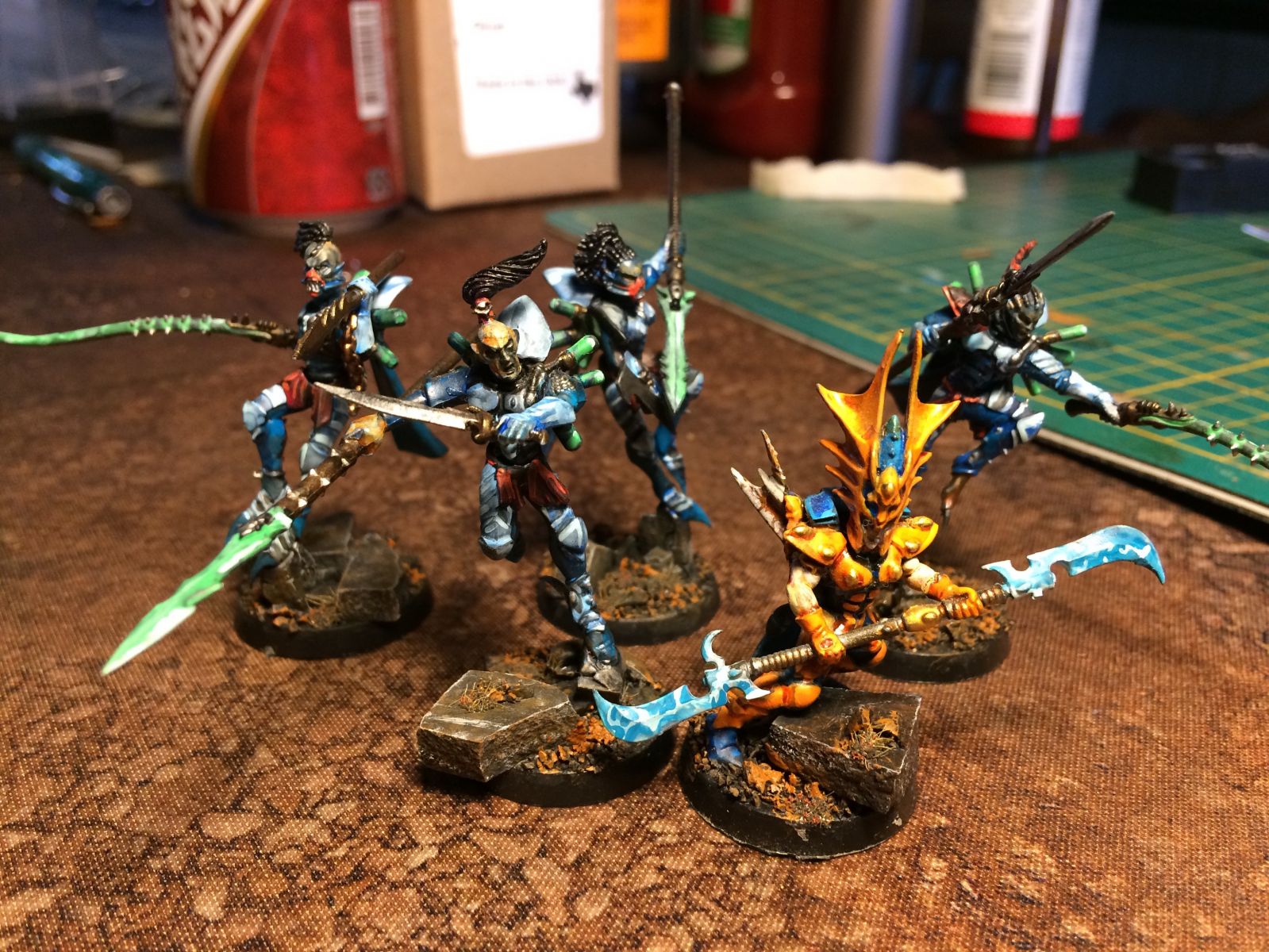
The Good Dr.'s WIPs
- By Dr. Clock,
- 0
- 1
- 198
-

Heraclite 12 MoH 2026
- By Heraclite,
- 0
- 0
- 119
-

Heraclite 2026
- By Heraclite,
- 0
- 0
- 75
-

Fabius Bile - Metal miniature
- By WBRBloom,
- 0
- 0
- 12
-
.jpeg.7d178d4026806f1a9154668b9e740393.jpeg)
miniatures, paintings and blah, blah....
- By BelVasques,
- 0
- 1
- 5
-
-
Recent Achievements
-


.thumb.jpg.aa0dc587de021439c16635ffbac85980.jpg)

(1).thumb.jpg.599cbc5378885eb9d4f3abdb7b8e732f.jpg)